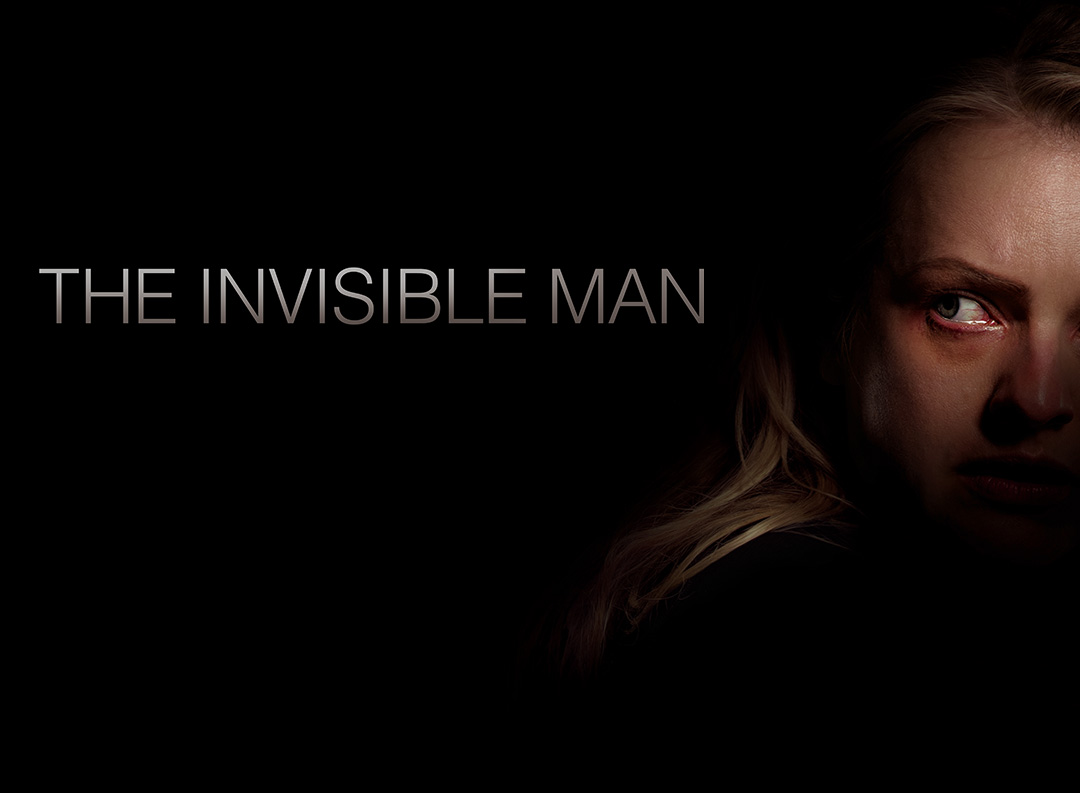
After two attempts to start a cinematic universe with Dracula Untold and Tom Cruise’s The Mummy, Universal, much like DC did with Joker, decided to take a step back from this approach and instead move towards a more standalone, small scale style. This led to the involvement of Blumhouse Productions, along with the Upgrade director Leigh Whannell, both skilled at getting the most out of smaller budgets, in the production of The Invisible Man. Together, along with an incredible performance from lead actress Elizabeth Moss, they deliver a thrilling, exciting sci-fi horror film which takes on a classic story in an intriguing way.
When her abusive ex-boyfriend Adrian Griffin kills himself after she leaves him, Cecilia is surprised to discover that he has left her a huge fortune in his will. Her surprise turns to fear as she becomes convinced that Adrian, a world-renowned optics scientist, is actually still alive and has managed to find a way to turn himself invisible. This leads to a struggle to convince those around her of the situation, which adds to the sense of paranoia as well as the contrast with the real-life domestic abuse victims who often struggle for support after being open about their experiences. For me, this is when horror films are at their most powerful, when they feed on our primal fears and tie into the terrors that occur in reality.
The links to the themes of domestic abuse and mental illness are treated with respect by the film, mostly through the strength of Moss’ performance. She plays a woman shattered by her experiences, on edge and fragile, although she never becomes a caricature, still displaying signs of the person she used to be before the trauma that she has been through. With the history of how horror films have sometimes exploited serious issues, it was refreshing to see those handled more thoughtfully and carefully here. The film does still have a sense of fun to it and allows itself to be free to go all out with it’s idea of The Invisible Man, which is an impressive balance. The overall concept is of course inherently a little silly, but then the film uses this to it’s advantage in the narrative – who could possibly believe Cecilia in her conviction that her ex-boyfriend has mastered the power of invisibility? Even still, the film does come up with a fairly grounded reason for this in-universe, showing that this did come into their thinking during the filmmaking process. Being able to make this film and include those themes whilst still allowing the sci-fi elements to be prominent within it takes a lot of work and it pays off in a strong way.
Leigh Whannell’s direction and the camera work within the film is masterful and it leads to some incredibly tense sequences, where you are almost put into the mind of Cecilia, unsure as to what is truly going on and where the Invisible Man is at all times. With a budget of seven million dollars, the film rests upon the technical skills of the filmmakers and in a way this is a perfect film to make on a smaller budget, as a lot of it revolves around what you can’t see, rather than what you can. The way the camera moves around the space, hinting at where The Invisible Man might be is a really interesting way of ramping up the tension and I feel as though this will add to the rewatchability of the film, trying to spot where he might be in different scenes. The use of sound within the film, both diegetic and non-diegetic is really effective as well, always making you feel uneasy, especially in the opening sequence where the absence of sound makes any slight sound that does occur stand out a lot more. The use of space and sound in horror films is sometimes that massively appeals to me, for instance when talking about The Lighthouse, or Doctor Sleep, so it was great to see it done well here.
As the film does progress, it can feel like the genre switches a little from horror to thriller, which can feel slightly jarring at first, although I can understand why that was done and you quickly becomes used to it. Even though the tense sequences of build up to The Invisible Man playing around with Cecilia are brilliantly done, I feel as though they could have almost gotten to be too much if the film had continued in that type of vein. As someone who is sceptical about horror films though, the horror elements within this film are absolutely done right. One of the elements I usually don’t like is the over use of jump scares, they can often feel cheap and as though they are being used as a replacement for genuine filmmaking techniques that can make a horror film genuinely memorable. Here though, the jump scares do feel earned when they come, mainly because of how inventive they are and how organic they feel within the scenes when they occur. The plot and story are strong as well, constantly keeping you gripped with various twists and turns, there were a lot of points where I was unsure where the narrative was going, which left me feeling surprised, sometimes in a brutal fashion, adding to that horror film feel even more.
The Invisible Man is an excellent approach to breathing new life into the concept of one of the classic Universal Monsters. It manages to give the story a modern update, whilst also keeping the focus on what makes the idea of The Invisible Man both scary and formidable. It would be great to see a few of the other monsters, such as Dracula and The Wolfman, receive a similar type of treatment. What needs to be remembered is that these stories have been told many times over and that for them to still resonate as strongly whilst being original, creativity and inventiveness is needed to look at them in a different way. In a strange way, the failure of the big budget approach has led to a return to the drawing board which has actually made these films way more interesting. I can’t wait to see what comes next.
Overall rating – 🌟🌟🌟🌟/5
 Benson's Film Reviews