After, in my opinion, one of the best years in film for a while in 2019, it was time to start off 2020 with a film in Jojo Rabbit that has already seen a release in the United States, as well as limited previews here in the UK. With there already being Oscar buzz around the film, specifically in the Best Adapted Screenplay category, I was really excited to check it out, especially being a fan of Taika Waititi’s previous work and being intrigued by the plot.
Jojo Rabbit is a film written, directed by and starring Waititi as a young boy’s imaginary friend, Adolf Hitler. The young boy, Jojo (Roman Griffin Davis) is a 10 year old Nazi fanatic, who wants to join the Hitler youth, but is caught in a dilemma when he finds his mother (Scarlet Johannsen) is hiding a young Jewish girl (Thomasin McKenzie) in their attic. It is very loosely based on the book Caging Skies by Christine Leuneuns, but Waititi introduces a lot of differences from the source material. Even from the plot description, it is clear that this is another film where Waititi, as he has in previous films such as Hunt for the Wilderpeople and Thor Ragnarok, is attempting to mix lighter moments with a darker overall plot. The biggest risk here is attempting to do it with a highly sensitive topic, whilst highly sensitive iconography, such as the swastika is on show. In Jojo Rabbit, Waititi shows his mastery over tone and his ability to intertwine the light hearted with the heavier moments and in a way, make the lighter moments contrast to make the heavier moments hit harder. The film is very reminiscent of Wes Anderson, especially in the earlier scenes, with the shot composition and the use of vibrant colour, this works really well on two levels, firstly it helps to put the viewer into the mindset of the main character Jojo, who has been indoctrinated into the Nazi ideology and sees this really depressing moment in time in quite a whimsical way, through a child’s eyes and it also helps to keep the viewer engaged, adding a lot of life and character to the world around Jojo.
Although all of the cast act exceptionally well in the film, including the main star Roman Griffin Davis, the three standouts for me personally were Stephen Merchant, Thomasin McKenzie and Sam Rockwell. Stephen Merchant, in his brief appearance as a Gestapo officer, provides a surprisingly menacing performance, as well as displaying his usual comedic qualities to show that aforementioned contrast between dark and light that Waititi portrays so well. Thomasin McKenzie as Elsa, the Jewish girl hiding in Jojo’s attic, plays a part that could so easily have been one note, but instead adds a real sense of personality, humour and depth to the character that makes you sympathize with her without that sympathy relegating her to merely a victim, as she does show courage and strength in the face of adversity. In a similar way to his role in Three Billboards, Sam Rockwell takes a character who at first seems like he will be easy to despise in a Nazi officer who runs a Hitler Youth camp, but adds nuance to him. Rockwell has really become an actor where whenever I see his name on a cast list, I’m excited to see what he manages to do within the film, he’s always great comedically, but his acting ability within the more serious and key emotional moments seems to be getting better and better with each film he appears in.
The only problem within the film for me comes narratively. As this is a non-spoiler review, I won’t be able to delve into it too deeply, but the narrative issue comes from Taika’s imaginary Hitler. It is a really well acted part and provides a lot of the film’s comedic moments, but it doesn’t fully work for me in the sense that it doesn’t feel like it adds too much to the story. It feels like there could have been a little more progression with the idea of it, but ultimately the idea isn’t as involved in the film for a long while and when it returns, it feels like a bit of an after thought. It would’ve been more interesting to see the idea either fully realised or cut out altogether, although then it may not have felt as much of a Waititi type film. Apart from this minor potential narrative flaw for me, everything else, the acting, direction, cinematography, writing, soundtrack is all absolutely top level and helps to contribute to Jojo Rabbit being a really enjoyable and at times, very emotional, hard hitting film.
One of the best ways to fight back against hatred is to make fun of it. Once you turn something into a joke, you take away all of it’s power. Waititi crafts a story which finds the right balance, it never treats the subject too lightly, but it also heavily mocks the Nazi ideology, especially the beliefs they spread about the Jewish people and helps to reduce Hitler into a pathetic character, rather than the imposing man he is sometimes portrayed as. It elevates the idea of a satire into the next level and I came out of the film excited to see what the actors within it and Waititi move onto next. It’ll have a lot of competition for awards, as I said, I consider 2019 to have been a really strong year, but I expect at least a Best Adapted Screenplay nomination for Jojo Rabbit – it’d be well deserved.
Demonstrators march during a “Kill the Bill” protest in London, Britain, May 1, 2021. REUTERS/Toby Melville
I remember being in my third year of University at Liverpool John Moore’s and due to a few personal circumstances that led to me not doing as well as I’d hoped with my second year results, I took the tough decision to commute in via train from Manchester for my final year to attend any lectures or other group work that I had to do. One Monday morning, I got to Manchester Piccadilly and wandered over to the platform where I usually got the train, only to see up on the board that a load of trains had been marked as cancelled or delayed. That wasn’t really an irregular thing as I found over the course of that year, but what made this time slightly different was that there was a woman stood there, shouting loudly at one of the workers on the platform about why the trains were delayed. When the worker replied that some workers from one of the services were on strike, which then had a knock on effect on the other trains too, the woman got really aggravated, let out a loud sigh and said “well why are they doing it on a Monday? Couldn’t they have done it at a better time?”. This moment has always stuck with me and made me think about what a bizarre statement it was. In one sense, I get it. Living in a large city like Manchester, there are very often protests that can cause disruption and depending on what sort of day you’ve had or what’s going on with you personally, sometimes it can be more frustrating than others. But protest is not meant to be convenient, or neat, or nice, it’s an incredibly important platform and tool for people to use when they feel like there’s no avenue or space for them to be properly heard. To ask if there’s a better time or place feels as though it has the same type of energy as telling someone who’s really angry to calm down. It’s not a great idea – it completely misses the point and shows a lack of understanding.
The reason that I’ve opened with that story is that I have seen and heard so much of that sort of viewpoint when it comes to protest or people making their feelings known recently. It seems like there’s an element of media spin when it comes to protests, where they act as the moral judges of that which constitutes proper and improper protest. For example, last week Chelsea supporters were rightly hailed for protesting the European Super League outside the ground, blocking the coaches from entering the ground and causing disruption, but this week, Manchester United fans doing similar has apparently brought shame upon the game. Is the difference that the United fan’s actions ruined Sky’s ‘Super Sunday’ and therefore garnered worse media coverage? The cynic within me leans towards yes. A lot of people knew, or at least pretended to know that the Super League idea was wrong. But they didn’t appreciate WHY. Once it’s become evident the anger was linked to the denigration and neglect of supporters and communities, those people denouncing the Super League have changed their tune. I also feel it’s down to the fact that this was solely United rather than fans of all clubs backing it, although knowledgeable fans of other clubs have lent their support to this in a huge way, including and in some ways especially, Liverpool fans. However, others have seen it as an opportunity to delve into dull point scoring, hilariously and hypocritically switching their position from ‘fan power against the billionaire owners’ to ‘why are the United fans so ungrateful? Their anger is misplaced’ in only a handful of days. It’s now a common theme that a lot of people simply follow whichever angle the majority of the media takes, rather than having an opinion on the situation themselves. This is especially true in situations where people fail to or indeed refuse to have a grasp upon that which is happening, making following the media narrative the easier move as it takes less work and effort than researching and engaging with the real purpose behind the protest.
I want to talk about the Manchester United fan protests over the weekend, as a supporter myself and a long term season ticket holder. This isn’t the result, as uneducated onlookers like Graeme Souness commented, of United not winning things. Protests against the Glazer families ownership have been going on ever since they took charge of the club in 2005 and the Green and Gold campaign was at it’s peak while United were Premier League champions and European Cup quarter finalists in 2010. Again, some people said, just as with that woman at Piccadilly Station, ‘couldn’t they have done it at a better time?’. Manchester United vs. Liverpool is one of the most watched games in world football, meaning that the forced postponement of yesterday’s game was one of the few that would have carried such an impact. The last league game between the two drew 4.5m average viewers on Sky alone, the numbers speak for themselves. There are people condemning the actions of the fans without having being involved in that kind of situation or environment and there’s a lot of comments from people who do not seem to understand the intention behind the protest. People talking about the fans going about it ‘in the wrong way’…well where has any other way got them? I went to the very first Glazer Out meetings at Manchester Apollo as a kid, I went on protest marches, I wrote to MP’s and representatives but nothing was done. This isn’t a spur of the moment type thing, this is something that has been building up for years now. Standing there with banners and placards, holding hands and singing clearly does not and will not work. There was a fan forum meeting last Friday and despite promising better communication with the fans in his poor Super League apology, Joel Glazer and indeed, none of the Glazers, appeared on it. When the supposed proper channels fail you, what do you have left? Disruption and civil disobedience, sadly, seems to be the only language that greedy, lazy businessmen understand.
More uneducated hand wringers like Shearer and Jenas pointed out on MOTD2 that Manchester United have spent a lot of money on players, so the fans shouldn’t be protesting against the Glazers. They spread the false notion that United fans are simply ungrateful. Firstly, the money spent comes from the revenue generated by Manchester United as a club, it is not the Glazer’s own money. Secondly, the Glazers purchased United as a club through a leveraged buyout, essentially using a loan taken out against the club to buy it, saddling the club with hundreds of millions of pounds of debt that needs to be paid off with the club’s money each season, not to mention they have since taken out other loans using shares from the club as leverage. Finally and perhaps most crucially, this is not just about money and it’s ridiculous that this needs to be spelt out when the issues have been well documented for years. The lack of care, investment and communication from the Glazer family has been horrific. Old Trafford, a historic ground, has been completely neglected, with leaks from the roof when it rains, rust around the outside of the ground and paint peeling off. The training facilities suffer from the same lack of investment or care and the fans of the club are not consulted about any changes, purely because the Glazers don’t want to make any positive change. They don’t care about what the match going fans think or feel. The women’s team and reserves are poorly cared for as well, when we should be pushing them and respecting them as an integral part of the club. Apparently though, we should be thanking them for allowing the club to buy Harry Maguire for 80m whilst also selling Romelu Lukaku for 75m and not replacing him. We should be thanking them for tightening the purse strings using COVID as an excuse, only for them and the other directors to still take their dividends from the club. Go in, pay your money, keep your mouth shut and go home. You are no longer football fans, you are consumers and you should be grateful for what you’re given. Never demand better, never ask for more. Know your place. Absolutely not. I know it’s been that way for years now, but frustration tends to build up and bubble over. That’s what we’ve seen and the lack of understanding towards it is so frustrating, but it gets to a point where you just feel like ignoring the ignorant.
Of course, an incident that sparked discussion around protest recently was the Sarah Everard vigil and the shockingly poor police reaction towards it, which wasn’t actually a protest at all, but a gathering to remember and honour a woman who was completely failed by the Met Police as an institution. Images and videos of how the police manhandled people who were there, mostly women who were up on the bandstand, spread like wildfire, but as soon as the vigil was twisted through government and media narrative to instead become referred to mostly as a ‘protest’, the excuses for the behaviour of the police came to the forefront. It is as if ‘protest’ has now become a dirty, or taboo word in modern society. Again, you had enablers who claimed that the police were ‘just doing their jobs’ and I even had a discussion with someone who claimed that the police had to do what they did as highways were being blocked – holding a vigil on Clapham Common is not blocking a highway. If the police in the build up had worked with the organisers of the vigil to ensure it was co-ordinated and planned safely, then there would have been no ill feeling at all, but the police refused to co-operate as they had with so many gatherings before that point. It was telling that the re-framing of the vigil as a protest afterwards led to the police watchdog report that claimed the Met Police acted ‘appropriately’ not receiving anywhere near as much anger as it should’ve done. Because by that point, the stereotyping and shaming had already been done, the people there, in the eyes of a fair few, were there to cause trouble or shake things up. What else were the police supposed to do, after all? It’s an incredibly dangerous avenue for us to be heading down in which some gatherings are given greater credence than others just because of the government feeling towards them, or the feelings the police as an institution have towards them. It is important that we resist the push to label everyone in a group based on the actions, or the alleged actions of a few members of that group. Far too many times this has been done to cover up incompetence and greed and looking at the progression of this idea, a great threat is being posed to those trying to fight their corner from a position of lower power and authority.
Let’s take this concept of cracking down on protest to it’s extreme, because the extreme is where it is headed. The Police, Crime, Sentencing and Courts Bill had it’s second reading in the House of Commons and was voted through on the 16th of March 2021 and it makes for incredibly grim reading for those who hold the concept of protest and standing up for your rights dear. Although as usual, the bill includes movements that are actually relatively reasonable enough so that anyone voting or protesting against it is admonished, the darker and more fascist parts of it simply cannot be allowed to be passed. I will put down below just some of the most concerning points from the Bill that were raised and discussed in a brilliant article on the Institute of Employment Rights website, which I will also link in the reference section at the bottom.
‘Clauses 54-60 in Part 3 of the Bill effectively criminalise protests that cause disruption – defined in broad and vague terms – even in the case of one-person protests.
Clauses 54-56 and 60 allow police to place conditions on protests as a response to “the noise generated by persons taking part” as well as to impose penalties on those breaching such conditions if they “ought to have known” they were in place.
As well as amending the Public Order Act 1986 to tighten police control of protests, this section also introduces a new statutory offence of “intentionally or recklessly causing public nuisance”.
People found guilty of this new offence, which includes causing “serious annoyance” or “serious inconvenience” – or even just causing the risk that said annoyance and inconvenience will take place – are liable to be imprisoned for up to ten years if convicted on indictment or 12 months if convicted summarily.
Elsewhere in the Bill, similarly high sentences are imposed on those causing damage to statues and memorials, presumably as a response to the toppling of slave trader Edward Colston’s statue by Black Lives Matter protestors in Bristol. Under the proposed law, said protestors could be looking at ten years in prison. This – as many opposition MPs pointed out during the debate – is a longer sentence than that given for violent crimes against living people. Indeed, it is twice the length of the maximum sentence for assault causing actual bodily harm (five years).’
We’re in a place of placing the importance of material things over the lives of actual people. This desensitisation to the mistreatment of one another is not good, it is not healthy and it is not conducive to a free and progressive society. And yet, when people declare that protestors are ‘idiots’ or ‘thugs’, they are feeding into the very narrative that could see someone at risk of a ten year jail sentence purely for standing up for what they believe in. This sneering, shaming and patronising attitude has to stop, because this is the way that we are headed. It feels like all sense of nuance is disappearing, you either have to proclaim something as the best or worst thing in the world and there is no middle ground. That’s difficult when it comes to protest as it’s so often complex, with the reasons for the tensions reaching that point having deep rooted context that cannot and should not be dismissed or waved away. We need to stick together and stand for everyone to be heard, whether we agree with what they’re saying or not. This affects us all.
Division is what people trying to control others rely upon. If people in the media and those on social media denounce the protests based upon the actions of a small minority, then those abusing their power get away with their actions, time and time again. As I commented about some of the response to the United protest, there was never this level of indignation after the many poorly publicised stories of United fans being mistreated by the club. Nobody cared about the actions such as suspending a season ticket holder for missing a few games to attend cancer treatment, but everybody cares about the reaction. Nobody cared about helping those wishing to pay respect to Sarah Everard to arrange a lawful vigil, but everybody cared about the reaction to the police aggressively breaking up that vigil. It’s reflective of a society that has been forced to grow to respect things over people, we’re desensitised to people being mistreated, but property being damaged or football matches being postponed is somehow shocking and uncomfortable to us, when it should be the other way around. Violence isn’t right, but at the same time, those condemning are silent at the footage being shared of peaceful protestors outside Old Trafford being hit with batons, or a police officer running over to hit someone being held down by other officers four times while he was on the ground. Funnily enough though, it doesn’t seem like it’s considered fair game to categorise every police officer based upon those incidents.
So this isn’t just about football, or women’s rights, or Black Lives Matter, or any other protest on it’s own. It’s about everything, all of those together and more. If you agree with protest being clamped down on as long as it’s something that you’re not as concerned about, then it will eventually make it’s way to your door and affect protests about things that you do care about. This is about our right to stand up and say “enough is enough” and along with that right, those protesting also carry the right not to be judged by the actions of a few that attend too. I hate it when people call a huge group of protestors ‘thugs’ or ‘idiots’, as if it’s fine to classify thousands of people as one. I’m not naïve, I know that when it comes to protests, emotions run high and not everyone there is always attending with the right intention. But that shouldn’t detract away from the overall point of a protest. As much as protestors do need to show some form of consideration and responsibility, it seems as though there is a push to influence the mood in this country in an attempt to kill the facilitation of protest altogether. Let us not go down the dangerous route of dismissing each other’s feelings, struggles and righteous anger. Let us be more open, more understanding and slower to knee jerk, judgemental reactions. Engage with people, talk, listen. That’s the way that things should be and the further we drift away from that, the more we leave ourselves and others open to abuse without a voice to push back against that abuse. I stand in solidarity with all those who have protested and those who do protest. I have more in common with them than those who abuse and denounce them.
So I read an article this morning in The New Statesman, written by Sarah Manavis, entitled ‘It’s okay to complain about how much we’ve lost because of Covid-19’. I found this article incredibly interesting, as it summarised a lot of my recent thoughts around why this particular stretch of lockdown has been and continues to be so difficult for so many people. Essentially, the article goes in depth around how our collective attitude towards one another and our individual struggles that relate to lockdown have changed and intensified since last March. I’d highly recommend giving it a read as it does reflect upon quite a lot of the online attitude that has been prevalent recently.
In particular the quote – ‘Policing the yearning to return to our previous lives achieves nothing; it only fractures ourselves as a collective, and heaps yet more stress and despair on to those already suffering.’ spoke to me a lot, as this ‘policing’ is something I have seen a lot of online recently. It’s really not our job, nor should we want it to be, to police each other or shame one another for wanting to return to social and meaningful events. I really feel that type of attitude has been detrimental for some people in getting through this and although I recognise that it may be a different type of coping mechanism for some, it’s also incredibly unhelpful for those that this type of diatribe is being aimed towards. People react differently to ‘crisis situations’ based on varying factors, but we all need to make sure we’re being respectful to each other’s worries and concerns when it comes to what we’re dealing with right now.
I also saw an article shared by Sky Sports shared on their Facebook page over the weekend which was entitled ‘COVID-19: Empty football stadiums ‘contributing to depression epidemic’. The headline might not be the best at putting across what the article actually contains, which nowadays obviously means a lot of people have ended up missing the point of the story altogether. While there are comments in reaction to the Facebook post that managed to understand it, there are also some that are completely reflective of the type of attitude discussed in The New Statesman article. I’ll leave some pictures of examples of these types of comments below.
The content of the article heavily contrasts with the attitude displayed in these comments and helps to show the actual impact of the situation that is being discussed. Obviously online there are a lot of people who comment upon topics that they would not discuss that way in real life. Often personalities and views are heavily over exaggerated, but sadly these type of comments are widespread around a lot of different types of events at the moment and they are potentially really damaging. It isn’t just football. It’s everything. From gigs, to nights out, to gym classes where people socialise with one another, any kind of event or setting where you meet with others, essentially. We’ve become increasingly isolated from one another for an extended period of time and to pretend that doesn’t have a negative effect is beyond delusional and can be quite dangerous.
The article contains an interview with Neil Waine, who works with Andy’s Man Club, a network of free drop-ins aimed at helping men open up about their mental health problems through peer support. Andy’s Man Club has seen a huge increase in interest since the start of the pandemic and subsequent halt of football fans being allowed into stadiums. Neil stated within the interview;
“A lot of the guys who come to our sessions are football fans and they’re really missing that. I know guys who sit near me at the football and that’s their only social contact in the whole week.”
“March will be a year since football grounds closed and that’s a scary thought, that some people have been isolated for that long.”
As usual, stereotyping is an issue here, as many see those who attend football as just young lads going out to get pissed up and while that is certainly partly true and also does not mean that demographic cannot be affected by issues of loneliness, depression etc. anyway, there are also a lot of older people who attend football matches and see it as their bit of social contact each time a match comes around. People from across all types of demographics attend football matches and a lot of them do so for more than just to watch the football. Some people I know who go to the match are pretty fed up with football on the whole, but they go purely for the social side that going to the game provides. The loss of that social side cannot be ignored and empathy must be shown towards those who are struggling with that aspect not being in their lives for such a long stretch of time.
Bringing in a view on this from a health care perspective, I want to briefly include content from a BBC article published yesterday that is called ‘Coronavirus doctor’s diary: We’re getting self-harming 10-year-olds in A&E’. Here, the brutal effects that can stem from feelings of extreme anxiety and feelings of isolation, especially in those who are younger, are put on full display. I’m not here to make an argument for or against lockdown, because this post isn’t about that and it wouldn’t make a difference to what I’m trying to focus upon here, but rather to point out that there are effects of lockdown that need to be addressed and focused upon urgently. We can talk about hypotheticals all day long, but this is the stark reality of what is happening now that we need to deal with and recognise. On a wider level, it is clear that more attention and investment is needed in mental health services or we are going to find ourselves up against a rapidly mounting challenge with very little respite or let up. This needs a plan and has to be highlighted as much as possible now, with action points put in place to help as many people as possible. It simply can’t be swept under the carpet for a moment longer.
Lockdown “massively exacerbates any pre-existing mental health issues – fears, anxieties, feelings of disconnection and isolation,” says A&E consultant Dave Greenhorn, as quoted in this article. So a huge issue is having to deal with those who already have pre-existing mental health issues that are being exacerbated by the effects of lockdown, but on top of that there is a growing number of people experiencing mental health issues or struggles for the first time due to the long term social isolation that is being experienced, along with many other issues. The article states that ‘Children in mental health crisis used to be brought to A&E about twice a week. Since the summer it’s been more like once or twice a day.’ Similar figures are reflected across various age groups in regards to severe mental illness being on the rise.
Before the first lockdown, I used to go to the gym in the Manchester Aquatics Centre in town, as it was about a five minute walk from my University buildings, meaning that I could go in before and after lectures/seminars. It was perfect, it obviously had a few large swimming pools, an absolute load of treadmills meaning there was always one available and even a few weights, even though I mostly used it for cardio workouts at the time. Once it became evident that I was never going to return to Uni again before my Masters course finished I had to cancel my membership there, instead using the weights equipment that I have at home and running/walking regularly to replace the workouts I was doing at the Aquatics Centre. However, when my friends who use gyms and/or make their living through gyms being open rallied around and were passionate about them being kept open due to the mental and physical benefits vs. the statistically low infection rates, I supported them all the way. I signed their petitions, I engaged with them and I listened to what they had to say. Just because personally I had stopped having a gym membership for the time being, it didn’t mean that I dismissed the concerns or worries of other people who were affected by the situation.
Up until early November last year when the tier system came in, my release had become going to the cinema every week/every other week with my friend Kev. Each week it seemed like a different part of the experience was taken away, it started off with us going to see a film and then going for a pint and a chat afterwards, until bit by bit it got cut down as restrictions were placed upon more than one household going into a pub. Then eventually, the cinema was cut too and hasn’t returned since that point to this day. Now obviously before the cinema being closed I also had football matches taken away, gigs taken away, I had been stopped from seeing close friends and family for a very long time, my Uni lectures and dissertation tutoring sessions (which while still really useful to me) had switched to online, I became a single 25 year old who couldn’t get out on dates which has been really weird. The list goes on. And yet it was the cinemas shutting down for an indefinite amount of time in early November that hit me the hardest as that brief bit of time each week or every two weeks helped me to socialise just a little and get out of the house for a bit. Without that experience, even though it sounds like such a minor thing, I started to feel really boxed in and the idea that there was no end to this and it was a certainty that this situation would remain the same for a fair while longer was terrifying to me.
That’s my personal experience with how the loss of socialisation bit by bit has affected me, but this will be the same for everyone. Nobody is living life as they were before. The issue is that people are already having to deal with difficult situations, furlough, job losses, business closures, health related issues, but then are left without the usual social events which help them to momentarily take their minds off these types of situations. This can lead to everything feeling very overwhelming. Just because something isn’t as big of an issue as something else doesn’t mean that it isn’t an issue. Unfortunately, society is so wide and so varied that to focus on only one, or even just a handful of issues at a time, would mean that so many people are left behind or ignored. As we all become more emotionally aware, it is obvious that this does not need to happen, nor should it be happening. It is tough, that is undeniable, but that does not mean that the issue should not be addressed, or that attempts should not be made to rectify it as much as is possible. There is a responsibility and a duty to ensure that everyone affected in whatever way by these increasingly limiting and frustrating events are cared for and heard, not matter what element of it they are being affected by.
So, how can we help with this current problem? The answer is empathy, patience and understanding. If people are upset or worried about something, telling them that they’re daft or wrong to feel that way about it usually doesn’t lead to anything positive. Especially if someone is opening up to you about it out of confidence, it usually means that they are coming to you so that they can vent and speak about their situation without fear of judgement. There is a difficulty in this as well that I also want to acknowledge, in that this far into the cycle of lockdowns, people are really lacking in energy, which can make it a lot more difficult to support others who are also struggling mentally and emotionally. In the first lockdown there were the rainbows, the Thursday claps, the feeling of ‘we’re all in this together’. Nobody can be arsed anymore. Everybody is tired. We just want our lives back. And you know what? That’s okay. It’d be weirder if everyone didn’t feel that way. That’s probably why people who are upset about missing out on opportunities, events and key moments are getting so frustrated with being told they have to ‘make sacrifices’. At this point, everyone has made sacrifices and they don’t really need reminding of it or being admonished for lamenting those lost moments. Let’s think about how to get away from ‘policing the yearning to return to our previous lives’.
Instead, let’s support each other and recognise that lockdown is presenting different challenges for each and every one of us. Let’s not play that down, but recognise those challenges and allow people to let off steam at times if they feel like it’ll help them through. One of the most difficult things about all of this is that it can be really hard to offer any advice or find any positives in the situation. A lot of the situation, especially now, is just about getting through it in the best way that you possibly can. For a lot of people, their coping strategies have been nullified and the events and people that usually help to carry them through are out of bounds. I find one thing that has been useful is discussing any positive aspects of news with other people. Despite the daunting situation, there are moments of light out there that are important not to lose sight of. The recent ‘mutant virus’ headlines amongst others have been really frustrating, but maybe the lack of social responsibility from many media sources could be a whole other post on it’s own.
If you’re reading this and you’re badly struggling or you know someone who is, I have left some links to online mental health resources at the bottom of this post. I’ve also linked the New Statesman, Sky Sports and BBC articles down below if you want to check them out. These types of articles being shared really help to enable people to talk about their feelings and the impact that the situation is having so that people are not left to feel lost or neglected. That kind of alienation and the feeling of being unable to discuss how you’re feeling for fear of being shamed can make a tough situation even tougher. If each one of us shows unity with one another, as well as an effort to understand and listen, it will make everything easier for everyone at a time when everything else around us seems to be so brutally harsh and negative. Let’s keep up a positive, empathetic energy for those we know and even those we do not and together, we can get through anything that gets thrown at us.
So, toxic friendships/relationships. This is a topic that I’ve wanted to write about for a while now, but I wanted enough time and distance from my own experience with this to be able to approach it from a slightly less emotional point of view and put it into proper perspective. I suppose part of that is down to the fact that for a long while during and after, I was in a huge state of denial about whether or not a particular friendship I had with someone was toxic or not. I was in a constant state of making excuses for how unhealthy it was. And a lot of that was because she was a girl that I liked and someone I came to care for a lot at one point.
I’ve eventually come around to writing this for a few reasons; I feel like I’m over this situation now, I wanted to get it off my chest a little and I also wanted to put something out there that I myself would’ve found useful to read at the time. I hope that if someone does read this and they’re struggling due to a similar sort of problem that they’re able to either make the difficult decision to end the friendship/relationship or set proper boundaries and move on from it in a positive way.
I cut things off with this girl a fair while back now, but I’ve struggled to talk about it with anyone outside of my closest friends due to the impact the whole situation actually had upon me over the course of several months. Apart from just this situation, there were also issues with work and other personal battles that actually left me in a position vulnerable enough to the point where I was left seeking validation wherever I could get it. I felt so negative about myself that everything that went on with this girl re-enforced how I was feeling at the time, making it a pretty dangerous and unhealthy mix. Seeing as things had taken such a bad turn, when me and this girl seemingly started to get along pretty well, I felt made up about it. We had a laugh with each other, but we seemed like we were able to talk about serious issues as well, which felt like like a good balance. But things very suddenly took a downward turn. Whenever we met up it’d follow a certain pattern, every single time without fail.
We’d meet up and she’d moan at me/belittle me and start things off in a negative way.
We’d then start to have a laugh and I’d enjoy spending time with her.
On the way back home waiting for the tram, she’d turn up the negative attitude towards me to the fullest. This would include insulting me or the time that we’d just spent together.
Just as I was planning in my head about how I was going to end the friendship, she’d start talking about the next time we were going to see each other and turn on the charm again. I’d step off the tram with my head all over the place.
It’s probably best to provide a few examples of the negative and abusive types of behaviour that I dealt with in this situation in order to give you an idea of how volatile it could get. She used to ignore my messages and then delight in showing me how far down I was in her messages when we met up. There was one time when we were meant to be meeting up and she didn’t message back to confirm the time we were meeting. I just had to turn up and hope she’d be there, which she was, typing on her phone as she was walking towards me.
Another time when we were out she asked what I’d do if one of my friends called and said they needed my help. I said that it’d depend on what it was, because I was already out with her, but that if it was urgent I’d probably have to check it out. She said pretty smugly that she’d go no matter if it was urgent or not, immediately, without question. I still don’t get the point of this hypothetical question, all it really seemed to do was put me down and make it clear that she’d leave any second if she felt like it. A few times actually if I wanted to do something she didn’t fully approve of she’d threaten to leave or never speak to me again.
She called me a pushover, pretty much out of nowhere and then got upset when I challenged her on it. If I told her about things I wanted to do or achieve, she’d tell me there was no point because they were never going to happen. We did an activity once where part of it meant that we had to write our names on a chalkboard to keep score. We were in a group so this was in front of other people, people who we didn’t know too. I stepped up to write our names on it and she stepped in front of me. She said “your handwriting is shit, it’s like a child’s, you’re not doing it, I am”. I shrugged her off and kept walking towards the chalkboard. She said “if you write our names on there, I’m not talking to you for the rest of the time we’re out”. I went ahead and wrote our names on the chalkboard anyway, maybe her not talking for the rest of the time would’ve given me some relief. I went back over to talk to her about why she was upset and she said “stop looking at me, it’s weird”. The other people in the group kept looking over because she was saying all of this out loud and it was incredibly humiliating. Humiliation was a huge part of it, shouting at me and belittling me in front of other people, as well as criticising me a lot. The criticisms would be directed at every aspect of me and would be incredibly hurtful, hitting away at my confidence bit by bit.
Reading all of this back and with people knowing the type of person I am, it is shocking that I put up with all of that. But the fact of the matter is that I did. Me and this girl shared incredibly personal things with each other and I did end up caring for her quite a bit. The most confusing part of it all was the nature of each meet up, the negative part, followed by a positive part, followed by a brutally negative part and then finishing off with some positivity that stopped me from cutting it off altogether. Obviously if she just acted obnoxious and aggressive all of the time it would’ve been a lot easier to notice the warning signs and end it as soon as I could. It was the fact that a lot of this came after we had got to know each other and had a laugh with each other. I really couldn’t reconcile the nice side of her with the nastier, colder side that seemed to enjoy humiliating me and putting me down. Every snarky comment and negative assertion seemed to be followed up with something positive, which would then be followed by something really negative. It worked in a really vicious cycle and that made it so difficult to work out how to deal with it on my own seeing as I had become so emotionally invested.
One of the most difficult things about a toxic friendship/relationship is that usually they’re not bad all of the time. That’s what makes it so challenging to get to the point where you’re actually able to recognise the toxic nature of them. In amongst all of the times my appearance, abilities and confidence would be put down, there were good times as well. Those good times would always stop me just as I felt like leaving in the middle of us hanging out together and they’d always make me consider that I was possibly over reacting to those negative moments. Maybe they were just typical? Maybe it was something I just needed to get used to or put up with? It took getting past these questions and excuses to fully address what was happening and to truly realise how damaging trying to maintain this friendship was to myself and my mental health.
As much as this girl did treat me pretty poorly, there were also aspects of myself that I needed to work on. I needed to stop looking outside of myself for validation. I needed to stop making excuses for her poor treatment of me. I needed to wake up a little and realise that this wasn’t a normal or healthy situation. I don’t blame myself for trying to work through this, because it was someone that I felt quite good about. And as I said, there were good times as well, although that seemed to add to the confusion and hurt that I eventually left the friendship with. I have the tendency to self analyse, a lot. I look back and think over situations, wondering what I could have said and done, which all of us do to a certain extent, but around that time mine was at a level where it was incredibly extreme. So whenever she would say something negative about me, or knock away some of my confidence, I’d let her. I think that was because there was a part of me that wondered if she was right and if how she was acting towards me was my fault. I now know that simply wasn’t the case. Nothing I could’ve said or done would’ve changed anything. No matter what I tried it was never good enough to be able to get away without taking a barrage of verbal abuse. I came away from each meet up feeling as though I had ripped off a piece of me and given it to her. Which sounds over dramatic, but it’s the only way I can really sum it up.
It eventually reached a breaking point. We met up in town to go and do some sort of activity. Before I’d even got into town to meet her, I’d already received a text from her telling me that she was in a shitty mood. Nice one. When we were walking across town to the place, she did nothing but complain about where we were going to. I was working on a short film for a refugee charity at the time, so I tried to switch the conversation towards that and she told me not to talk to her about it or show the film to her because she didn’t care for charity. I honestly felt like just walking away then, I already felt an empty feeling in the pit of my stomach and my shoulders dropping as I began to sink into myself. Then we finally got to the place and there was a bit of a change. The usual pattern set in where we started to click and get along, which started me thinking about why I liked her so much again.
Then it reached the end of the time slot we had booked in. She said she was happy that it was over because she could go home. She was also really rude to a member of staff there which was one of the things that turned me completely against meeting her again, because it’s just utterly uncalled for. Then at the tram stop, she told me that she could only handle spending time with me in small doses and that I was on neutral ground with her, because her good ground was ‘reserved for people she likes and actually goes out of her way to see’. I was on the verge of standing up and walking off to get a taxi home when the tram turned up. Again, the usual thing happened, once we got onto the tram she was pretty nice and mentioned about the next time we were going to meet up. I got off the tram at my stop, went home and as soon as I got in I immediately felt sick. I felt really warm, tired and didn’t eat anything after getting in. It was like I had been properly drained of all of my energy. I felt slightly embarrassed about how much it hit me, but then again to avoid the fact would be to fail in accepting that this kind of thing can and does happen. The next morning I woke up and felt even worse, I still didn’t want to eat and I struggled to work up the motivation to get out of bed. The girl was still messaging me that morning, but I felt so bad that I had to tell my friends just how depressed and drained I was feeling.
I think what actually helped in the end is that before this happened I actually hadn’t met up with her for a while, which allowed me to notice the contrast between how I felt after spending time with other people and how I felt after spending time with her. My friends knew I’d been out with her the previous evening and one of them finally asked the question I’d been too scared to ask myself – “do you think this is because you’ve spent time with her?”. We got into talking about it and both that friend and all of my other friends told me that her behaviour was unacceptable as I began to open up about it. I told them about what had been going on. It brought out a flood of emotion, I knew from that point on that I had to tell her how I felt and that I probably had to end it there. I messaged her, letting her know that what she’d said and how she’d treated me had made me feel pretty low. Her response? She came back and accused me of trying to ‘guilt trip’ her and threatened not to speak to me anymore. It was over for me then. In the past I would’ve fallen for this, apologised and blamed myself. But it was time to break the cycle. I responded back calmly and set out the boundaries, stood up for myself and then blocked her from everything. In the days and weeks ahead I’d contemplate messaging her but I fought against the instinct every time, knowing that once this difficult bit was out of the way I would be better off in the long run.
If you feel drained or down after spending time with someone, it might be useful to look into or think about why that might be. If someone is constantly making you feel negative about yourself or making you feel that you’re not enough, then you ultimately need to consider whether or not it’s worth putting time and effort into that relationship from your end. But I know from my own experience that it can be a difficult thing to do, especially if you have feelings for that person which can further complicate the situation as well. There were other issues around the time for me personally that meant this situation hit me even harder. I wouldn’t solely blame this girl for the way I was feeling around then, but it certainly didn’t help. Things aren’t black and white and relationships with others can often be complicated. Being around someone like that and dealing with that negativity really drained me and for a long time it prevented me from completely recovering and getting back to the mindset I knew it was most healthy for me to be in. I look back at pictures of myself from back then now and I can actually see the lack of confidence behind my eyes. I remember speaking to people I loved speaking to but feeling weak and on edge, I didn’t feel like myself at all. I still get edgy about messages now a little bit, so my phone’s on silent most of the time – another side effect from the situation. Messages from her used to come through and I’d never know if they’d be positive or extremely cutting and negative.
Now it’s been a while since I ended this friendship and the time and distance is there. It’s in the past for me now. I got properly into my MA Film Studies course and spent a lot of time with people who appreciated me for who I am and supported me in a positive way. I spoke a lot more to my closest friends who helped me through it all and reminded me of what a healthy friendship really is. My focus now is more towards relationships that have positive aspects to them. I’m not saying that friendships or relationships are never or should never be challenging or hard, but they shouldn’t be THAT challenging or hard. There’s a difference between a relationship where there’s negotiation and compromise and one where you’re constantly having to excuse abusive behaviour in order to enjoy the good parts of it. I’ve worked on being able to set boundaries in every type of relationship now, I know where my lines are and I’m happy to draw them. I have things that I will accept and things that I won’t. As much as the situation was a horrible one to be in, I wish the girl all the best and hope that she can move on herself from the toxic patterns of behaviour. I don’t know if she realises what she did or if me having to cut her off even registered with her at all. We did actually have some pretty good times together, but I couldn’t do it anymore. I feel grateful for my friends who helped guide me away from it and realise that I should be pursuing something better, or maybe even pursuing nothing at all. You don’t need another person to validate you. If you’re feeling like this sounds familiar, talk to friends, family or even a professional detached from the situation and get that outside perspective on it. It might just help to break the cycle and put you on your way to more positive and healthy relationships that don’t drain you so emotionally. It’s what each and every one of us deserves.
Having a bit more spare time on my hands than usual and with no new films of any note to take a look at, I decided to make a list of films I’ve been meaning to see, but haven’t got around to watching and choose a few from it to finally watch. This film, 1994’s Chungking Express, directed by Hong Kong film director Wong Kar-wai is acclaimed, particularly by Quentin Tarantino, who said when he first saw it that he ‘started crying’ as he was ‘just so happy to love a movie this much’. Watching the film, you can see why it appeals to Tarantino so much, it’s got a nice smooth pace to it, as well as a catchy soundtrack and sharp dialogue. It’s always strange going into a film that does have that level of acclaim attached to it, as you’re not always sure what to expect. As such, I went into this film with an open mind, not looking at any further reviews, plot synopsis or trailers for it, instead letting the film make it’s impression on me as it went along.
The film contains two separate stories, although both are set within the same area and are thematically linked. The first story follows a policeman still hurting from a breakup who encounters a woman while out drowning his sorrows, unaware that she is a drug dealer. The second story, which seemed to take up a larger portion of the film, is about another policeman, also going through a breakup, who begins to fall for a snack bar worker. Both stories deal with the heartache, loneliness and confusion that can begin to take hold once a relationship falls apart. Although the film features a lot of humorous moments and exchanges, there’s also a lot of introspection here as we dig into the character’s thoughts and feelings. In this sense, the film hits quite emotionally and feels quite naturalistic too, with a more urban and grounded focus a lot of the time on how these sorts of situations affect people. It focuses on the mundane parts of a breakup, the loss of routine and the quieter moments that can almost feel like a loss of identity.
One way in which Wong Kar-wai does this is through his portrayal of time. In the film he uses a technique where he speeds up everything around a character, but slows down the character themselves to impress upon the viewer how that character is experiencing time at that moment. This helps to tie into the feeling of the loss of routine after a breakup and whilst it is visually impressive, every time he implements it, there is always a narrative reason for doing it. Time is a central theme in Chungking Express, with characters either having too much or not enough of it. But much like a breakup, whilst they stand still, the world around them moves on. Dutch angles are also used frequently within the film, again fitting in narratively to put the viewer inside the head space of a character. Looking back at the film, the narrative itself is not overly complex and in the hands of another director, it may not have worked, but every technique Wong Kar-wai uses here helps to make the film a brilliant form of visual storytelling, which ultimately is what separates a good film and a great one.
Music is also used as a recurring motif, with the most notable use being of The Mama’s and Papa’s ‘California Dreamin” in the second story, along with a Cantonese cover of The Cranberries ‘Dreams’ by Faye Wong, one of the actresses in the film. Both of these help to characterise Wong’s character, also named Faye and her desire to escape and travel beyond her current situation. A lot of films do use recognisable songs in their soundtrack, some to good effect and some to bad effect. Some films, for example, Suicide Squad, use popular songs on their soundtrack to create a sense of recognition, but they fail to link to any key themes or ideas that the film presents. The best use of them is when they relate to the themes of a film and the characters within them, as they do here. As well as relating to Faye herself, the songs also help to relate to some aspects of her relationship with the policeman. It expresses the idea that their relationship may well be doomed due to the daydreaming nature of Wong’s character. Again, linking to Tarantino’s own enjoyment of Chungking Express, this is something that he has taken on in his own films, even using a cover of ‘California Dreamin” in his film Once Upon A Time In Hollywood.
I’m a huge fan of films that manage to replicate a feeling or emotion. For example, I love horror films that can build up a sense of tension and anxiety. With films about romance, I love the type that replicates how real life relationships feel and how troubles within them affect both of the people involved. Chungking Express does this to an almost scary level and even though there are a few aspects that are slightly quirky, at it’s core there’s a lot here that’s relatable for myself, as I’m sure there will be for many others too. The way in which it displays certain aspects of breakups is incredibly intimate, there was one scene in particular in the first story where the policeman does something, which I won’t spoil, out of complete desperation and loneliness. This scene manages to be both funny and desperately sad at the same time, again, one of the things that impresses me is the ability to mix tones, because that’s how real life plays out. If it had been an overly sombre or overly comical look at these themes, it wouldn’t have hit anywhere near the levels that it does, but the film has a particular style that makes it incredibly enticing.
Chungking Express is quite rightly considered a classic. It’s a beautifully bittersweet film with characters that draw you in. When the film ended, I found myself wanting to know more about what happened to the characters next, whilst at the same time not doing, due to the realistic nature of how relationships are treated in the film. Out of the two stories, the second resonated with me more, mainly due to the connection between the policeman and the snack bar worker feeling more built up and therefore creating a stronger emotional feeling at the key points in their story. The acting performances from the four main actors, Takeshi Kaneshiro, Brigitte Lin, Tony Leung and Faye Wong really help to work towards crafting these characters and as much as Wong Kar-Wai’s writing and directing is a huge part of making this film work, as well as the cinematography, the actor’s work in making these characters endearing at the heart of it help to elevate the film to another level. This is one I’d highly recommend.
After two attempts to start a cinematic universe with Dracula Untold and Tom Cruise’s The Mummy, Universal, much like DC did with Joker, decided to take a step back from this approach and instead move towards a more standalone, small scale style. This led to the involvement of Blumhouse Productions, along with the Upgrade director Leigh Whannell, both skilled at getting the most out of smaller budgets, in the production of The Invisible Man. Together, along with an incredible performance from lead actress Elizabeth Moss, they deliver a thrilling, exciting sci-fi horror film which takes on a classic story in an intriguing way.
When her abusive ex-boyfriend Adrian Griffin kills himself after she leaves him, Cecilia is surprised to discover that he has left her a huge fortune in his will. Her surprise turns to fear as she becomes convinced that Adrian, a world-renowned optics scientist, is actually still alive and has managed to find a way to turn himself invisible. This leads to a struggle to convince those around her of the situation, which adds to the sense of paranoia as well as the contrast with the real-life domestic abuse victims who often struggle for support after being open about their experiences. For me, this is when horror films are at their most powerful, when they feed on our primal fears and tie into the terrors that occur in reality.
The links to the themes of domestic abuse and mental illness are treated with respect by the film, mostly through the strength of Moss’ performance. She plays a woman shattered by her experiences, on edge and fragile, although she never becomes a caricature, still displaying signs of the person she used to be before the trauma that she has been through. With the history of how horror films have sometimes exploited serious issues, it was refreshing to see those handled more thoughtfully and carefully here. The film does still have a sense of fun to it and allows itself to be free to go all out with it’s idea of The Invisible Man, which is an impressive balance. The overall concept is of course inherently a little silly, but then the film uses this to it’s advantage in the narrative – who could possibly believe Cecilia in her conviction that her ex-boyfriend has mastered the power of invisibility? Even still, the film does come up with a fairly grounded reason for this in-universe, showing that this did come into their thinking during the filmmaking process. Being able to make this film and include those themes whilst still allowing the sci-fi elements to be prominent within it takes a lot of work and it pays off in a strong way.
Leigh Whannell’s direction and the camera work within the film is masterful and it leads to some incredibly tense sequences, where you are almost put into the mind of Cecilia, unsure as to what is truly going on and where the Invisible Man is at all times. With a budget of seven million dollars, the film rests upon the technical skills of the filmmakers and in a way this is a perfect film to make on a smaller budget, as a lot of it revolves around what you can’t see, rather than what you can. The way the camera moves around the space, hinting at where The Invisible Man might be is a really interesting way of ramping up the tension and I feel as though this will add to the rewatchability of the film, trying to spot where he might be in different scenes. The use of sound within the film, both diegetic and non-diegetic is really effective as well, always making you feel uneasy, especially in the opening sequence where the absence of sound makes any slight sound that does occur stand out a lot more. The use of space and sound in horror films is sometimes that massively appeals to me, for instance when talking about The Lighthouse, or Doctor Sleep, so it was great to see it done well here.
As the film does progress, it can feel like the genre switches a little from horror to thriller, which can feel slightly jarring at first, although I can understand why that was done and you quickly becomes used to it. Even though the tense sequences of build up to The Invisible Man playing around with Cecilia are brilliantly done, I feel as though they could have almost gotten to be too much if the film had continued in that type of vein. As someone who is sceptical about horror films though, the horror elements within this film are absolutely done right. One of the elements I usually don’t like is the over use of jump scares, they can often feel cheap and as though they are being used as a replacement for genuine filmmaking techniques that can make a horror film genuinely memorable. Here though, the jump scares do feel earned when they come, mainly because of how inventive they are and how organic they feel within the scenes when they occur. The plot and story are strong as well, constantly keeping you gripped with various twists and turns, there were a lot of points where I was unsure where the narrative was going, which left me feeling surprised, sometimes in a brutal fashion, adding to that horror film feel even more.
The Invisible Man is an excellent approach to breathing new life into the concept of one of the classic Universal Monsters. It manages to give the story a modern update, whilst also keeping the focus on what makes the idea of The Invisible Man both scary and formidable. It would be great to see a few of the other monsters, such as Dracula and The Wolfman, receive a similar type of treatment. What needs to be remembered is that these stories have been told many times over and that for them to still resonate as strongly whilst being original, creativity and inventiveness is needed to look at them in a different way. In a strange way, the failure of the big budget approach has led to a return to the drawing board which has actually made these films way more interesting. I can’t wait to see what comes next.
Stories based upon real-life events can be both incredibly gripping and important at the same time. On seeing the trailer for Dark Waters, directed by Todd Haynes, I was immediately pulled in through the promise and potential of the plot. These types of films, when done right, can help to bring serious issues to the forefront of the public consciousness and there is always a tightrope to walk in making them dramatically interesting whilst at the same time not letting this overwhelm the serious aspects of the issues being portrayed. In terms of dramatically interesting, this doesn’t mean turning the situation into a Hollywood spectacle, but rather looking into where the dynamics are in the narrative and using them to make the story the most powerful it can be and remaining true to the facts at the same time.
Dark Waters is a film about Robert Bilott, played here with a great amount of intensity by Mark Ruffalo, a corporate lawyer for chemical companies who becomes conflicted after being approached by a client to look into American company DuPont in relation to the amount of pollution they are knowingly adding to the water supply. After beginning to research more into the case, Bilott becomes determined to take on DuPont in a seemingly unwinnable case and the film follows his effort across the years to expose their unethical practises. Even from the brief synopsis, the real life intrigue as well as the intrigue ready to be delved into cinematically is evident, we have the potential redemption arc from his role as a defendant for the companies who then turns to work against them, as well as the always appealing narrative of the underdog taking on the corporate giant in a courtroom battle.
You can tell from the performance from Ruffalo that this is a story that means a lot to him and he gives an urgent, at times desperate performance as a man under a lot of stress and pressure. His character arc isn’t as well crafted as it could be, a little more build up and justification for his decision to switch sides on the chemical companies issue would have helped to identify with his character a little more. Anne Hathaway plays Bilott’s wife Sarah, performing well as always and although efforts are made to show how Bilott’s battle against DuPont is taking it’s toll on his family as well as him, the results of this are fairly mixed, as the family drama pales in comparison to the scale of the legal battle and the discovery of the heights that the pollution levels DuPont has inflicted on the local communities has reached. A lot of the performances apart from Ruffalo’s are toned down, obviously purposefully to maintain that realistic tone, but they can sometimes feel more muted than they need to be.
As the story is told quite competently, it often feels like as though the creativity in telling it has been somewhat stifled. The direction and cinematography is never particularly flashy or showy. It could be argued that this isn’t needed for a film like this, but due to it’s style, the themes don’t feel as if they’re delved into any deeper than at the surface level and this leads to the emotional hits later on in the film not landing as strongly as they might have done. Whilst the narrative is about the real life case, it is also about the story of Robert Bilott, why he felt such a connection and a need to take on the pressure of the case. We get this in small doses, but ultimately a lot more was needed in the build up to get across the scale of the incident and the effect that it was having upon everyone involved. A lot of the film can feel expository and by the end, it feels as though it is skipping through a lot of major points in the story, feeling as though you are reading a Wikipedia entry on the case, rather than watching a film about it.
As I previously said, it can be a challenge to tell a real life story, especially one that’s quite political, while keeping in mind that film is a visual medium and should be treated as such. There’s so much more that can be done to elevate a story from being interesting to also being visually engaging. Having said that, the film is certainly not shot poorly, it’s shot well enough, the acting is solid and it managed to keep me engaged throughout, purely on the basis of the intrigue of the story alone. The film has been described as a political thriller, although the thriller elements are quite minimal in truth. It is more of a drama, fairly slow moving, taking you through the timeline of this investigation. The real heart of the film is the engagement with the idea of corporate companies and how they wear people down, the attrition like approach they take to cases and the amount of money they can pour into them that makes the battle feel near impossible. We see real life people from the events appear in the film which I thought was a really nice touch, it just would’ve been nice to see more of that type of thing.
Despite a lot of the flaws with Dark Waters, this is still an incredibly vital story that needs to be watched and shared. It is a solid film, there was just the potential for so much more if the script had been stronger and the direction had been a little more creative. After all, the better the film is, the more it’s going to be discussed and the more the message is going to get out there. The facts, of course, should remain largely the same in a whistle-blower type film like this, but that shouldn’t necessarily hold the film back in terms of creativity. That is and always should be open to be experimented with when it comes to film.
Steve Coogan teams up with writer-director Michael Winterbottom once again, this time bringing us a satire mostly based upon, although never explicitly stated, British businessman Sir Philip Green. Green is the chairman of Arcadia Group, which includes a list of retailers such as Topshop, Dorothy Perkins and Burton, to name but a few. He came in for criticism due to his role in the downfall of BHS, as well as his general controversial behaviour and exploitation of sweatshops, leading to calls for him to be stripped of his knighthood.
Here though, as the portrayal is a lot more veiled, Coogan plays a character named Sir Richard McCreadie, with Greed mainly focusing on the build up to his 60th birthday party. Intertwined with this, we also get flashbacks to his earlier life, along with the attempts of journalist Nick, played by David Mitchell, to build up a biographical profile of McCreadie’s life. The rest of the cast list is seriously impressive, with Isla Fisher, Shirley Henderson, Asa Butterfield and Sophie Cookson rounding out the rest of the McCreadie family. There are also a few celebrity cameos throughout the film as McCreadie tries to tempt them into appearing as his party to boost his reputation and some of these are the comedic highlights of the film.
Coogan gives a brilliant and convincing performance as an unpleasant, self-centred man and yet he still manages to carry that sense of charisma that makes it believable enough that he would appeal to other people to the point of having them onside. This is a really difficult line to walk and if he had gone too far in either direction, it could potentially have come across as too much, but this is perfect casting and he carries the film in some parts. The acting all round is pretty solid, David Mitchell essentially plays himself as a nervous, awkward journalist, something he readily admits in interviews, but that every man, relatable aspect of his character becomes absolutely key as the story progresses. Dinita Gohil as Amanda, part of McCreadie’s planning team for the party, also becomes more important and involved as the film goes on and I liked her performance here too. A special mention also goes to Sophie Cookson, who I’m most familiar with from Kingsman, who gives a great comedic performance as McCreadie’s daughter Lily, who stars in a reality TV show on the level of TOWIE/Made In Chelsea and the parts with her in the film satirise these types of shows really well.
The humour here can sometimes be a little hit and miss, but it lands for the most part and lands effectively. Coogan is a well-established comedic legend and he brings a lot of energy to the film. The soundtrack is also great, as you’d expect from the director of 24 Hour Party People, there are loads of upbeat tunes that make an appearance throughout that really add to the film. The narrative in Greed also managed to surprise me, at one point in the middle of the film I thought I had a grasp on it, but as it moved towards the end, it did manage to surprise me and stray away from being anywhere near predictable, this was something that impressed me about the film, in that it wasn’t afraid to push into the realms of ridiculousness as a satire. A few satire type films can be afraid to go the full way and hold back a little bit, removing the point of them being a satire in the first place, but Greed can’t really be accused of that, from a narrative standpoint anyway.
Where the film isn’t as strong is perhaps in the delivery of it’s overall message. There are really two main themes going on here, the first being the examination of McCreadie and the questionable morality of how his businesses operate and the second being the refugee crisis. These are both incredibly serious and complex subjects which even within the realm of a satire need to be explored and given the time and respect that they deserve. However, it can feel like at points in the film both of these themes sort of clash with each other and even though the signs are there for a link to be made between the two, it never really is. Along with this, the two characters who become crucial to the plot in Asa Butterfield’s Finn and the aforementioned Amanda, never really get the development needed early on in the film, with this time instead being shared with other characters. With the film not being particularly long at around 1hr 45 minutes, there could have been a call to either cut some more unnecessary parts to make time for these characters and themes or make the film a little longer to allow for this too. If this had been done I feel like the film would have been a lot more powerful and it’s messages would have hit home even more than they already do.
Greed is a solid film, with a lot of enjoyable moments and lively sequences. It can at times though, feel like a film with a lot of good ideas with some never being fully realised to their full potential. Satire has been and can be an incredibly powerful tool, it uses absurdity to remind us of and evoke real world concepts and events. What it does do most strongly here is to show the detachment of those with a ridiculous amount of money from reality, however with a little more development and streamlining of themes, this could have gone from a good film to a great film. As it is, it’s probably worth watching just due to the cast, direction and editing which help to add extra energy to the film and give it enough strong points to carry it through.
Failure has become a dirty word. It’s something that a lot of people don’t want to talk about, something that gets swept under the rug and yet it’s the one thing that every single one of us has in common. Everyone, especially including myself, has failed at one point or another and been forced to react to it. Losing isn’t pleasant, it takes you to some of your darkest places and a lot of the time it seems like you’re going to be stuck in those places forever. The idea of failure and what we can learn from it, how we react to it, has been playing on my mind for a while, but Tyson Fury’s victory in the rematch vs. Deontay Wilder brought it back to the forefront of my mind again.
Tyson Fury previously beat Wladimir Klitschko to win the WBA, IBF, WBO, IBO, Ring magazine and lineal heavyweight championship in 2015, to the shock of a lot of boxing experts, he was accomplished at British level, but due to his weight and perceived poor defensive tactics, it was seen as unlikely that he could win against Klitschko, an established and highly rated champion at world level. For Tyson though, this was the start of a fall into addiction and mental health struggles, two issues that had been there under the surface, but had been fully uncovered by reaching the highest of highs. In the build up to a planned rematch with Klitschko, Fury seemed far removed from his usual self, seeming disinterested, tired and in one concerning pre-fight face to face, alluding to suicidal thoughts. In a later interview with the Rolling Stone magazine, Fury would go on to say ‘I hope I die every day.’ After a postponement and a charge from the UK anti-doping agency for cocaine use, as well as concerns over Fury’s weight gain, he vacated the world titles won against Klitschko, before having his boxing license suspended by the British Boxing Board of Control. Out of boxing, struggling with depression and gaining weight to the point of being 28 and a half stone, Fury became a figure of fun in some of the nastier British tabloids.
A lot of people doubted Fury’s ability to come back, especially the man who he’d eventually go on to take the heavyweight title off, Deontay Wilder. This was something that helped to bring Tyson back from the brink. It’s hard to summarise the incredible size of his comeback here, how many mountains had to be climbed for Fury to lose all that weight, get his license back and step back into the ring again. I’d encourage anyone who hasn’t already to look deeper into his story – it’s fascinating. He worked incredibly hard on all aspects of himself over a gruelling amount of time, but he did it. After two and a half years out of the ring, Fury came back, with a warm up fight against Sefer Seferi on an undercard fight at the Manchester Arena. Only one fight after that, Fury was fighting Wilder for the heavyweight title in LA, a fight many believed Fury to have won, but it was declared a draw. In the 12th round of that fight, Fury was sent to the canvas with two clean punches from Wilder, but got back to his feet to deny the American the win. Then, in the rematch on February the 22nd 2020, Fury went out, dominated Wilder with an aggressive, positive performance and stopped him in the seventh round to reclaim the WBC heavyweight title. Fury had done it, he’d come back after being written off by many and after struggling with the toughest of battles. His story is a reminder that nothing is ever done, every situation can be turned around and that even in the darkest of circumstances, there can always be hope. His victory wasn’t only in the ring, he also seems more comfortable with himself and more able to deal with his mental demons. Depression never goes away, but he now seems better equipped to deal with those darker moments when they come.
It seems like a lot of the time in today’s culture, failing at something publicly means that you’re done, finished or ‘cancelled’. But this simply isn’t a healthy way to live your life. Like I said earlier, every single one of us has, or will fail at some point. Failure is just part of the learning process, it’s how you get better, every huge victory is the result of a lot of losses, often times losses that have come in private, losses that have led to frustration, anger and self doubt. With a lot of negative emotions, the best thing to do isn’t to ignore them, but rather to learn how to process them in a healthy way. You have to deal with them, but not dwell on them and let them consume you to the point where they’re having a heavy, detrimental effect.
For me, I hit a big personal loss towards the end of last year and I didn’t have a clue what to do. I tried to ignore it for a while, pretend that everything was fine and just shove past it. But you can’t do that, everything you try to bottle up just comes along later on, in a much more forced and aggressive manner. The result of bottling it up hit me hard, sending me into some really low moods and pushing a lot of self-doubt into my mind. I found that it was a lot easier to try and look at it in a rational way – what had happened? What could I have done better? Even still, was there anything I could have done better? Sometimes a perceived failure isn’t even down to your actions, it’s just all down to circumstances or outside influences. The best way is to look at it is from situation to situation and deal with it from there, recognise what happened, take what you can from it and try to push on. You shouldn’t try to force yourself to forget it, failures are part of us all and part of the journey. I found everything much easier once I’d opened up, spoken about it and began accepting that what happened had happened.
I think as people we all need to become more comfortable with the idea of failure and losing. This doesn’t mean not caring, not in the slightest, instead it means looking at what you can and can’t change. Frustration and upset is natural, but it can then be harmful if these feelings stick around for way too long. It can be hard sometimes, especially if you’re a pretty harsh self-critic. The media and social media can both contribute to this a lot. Very few people are going to share their moments of defeat publicly and with good reason, but it’s important to remember that we all have them. Social media can be a strange place when you’re at a low point, because a lot of it can lead to comparing your life to others, when it’s not an accurate representation, so it can sometimes do some good to pull away for it slightly and put things into perspective. The media in Britain forms bizarre narratives out of winners and losers, where it’s framed as if those who lose just disappear and become irrelevant, but life doesn’t work in such a simple way, it’s more complex. There’s no such thing as rises and falls in the way that they’re usually depicted, life isn’t a film. Life is a constant rise and fall and once you become accustomed to that, losing hits you way less hard and allows you to focus on the next chance to succeed.
Ultimately, no feeling is final and no situation in life is permanent. Sometimes the brain has a funny way of making you feel like it is, but it’s not the case. Where would most of the people you know in life be if they’d given up after a perceived failure? Where would Tyson Fury be? As a kid, I used to write a lot of stories and scripts, probably at least two or three short stories a week, just for fun, because I was really into my writing. As I got older, I found I was more inclined towards starting up a story or a script and then quitting as I got halfway, or even a quarter of the way through. When I was younger, I had no worries about whether what I was doing was good, or shit, I was just going for it, but as you get older, you do become more self aware and too much of it can hold you back. You can start thinking all the time instead of actually taking any action. The only way you ever get experience or progress is by practising your craft and fear of failure can hinder this massively. So now, I’m trying to mix both approaches, having that more mature analytical approach, accepting that’s part of growing up but also trying to keep that fearlessness I had as a kid. I know I’ll probably fail a load more times in the future, but I’m okay with that now. Because I know through that failure, I’ll end up somewhere great. We all will.
Going into Birds of Prey, directed by Cathy Yan, (I’m absolutely not typing out the longer title!), I was pretty hopeful for an entertaining film. Margot Robbie seemed really enthusiastic about getting this film done and the trailers made it look like a solid comic book film. Ewan McGregor also seemed to be having a lot of fun in the trailers as the villain Black Mask. Although the links to Suicide Squad were there, a film that for many was incredibly messy and over-stylised, there was a feeling that this would be slightly more toned down, while still very much being a part of that type of world, giving us a more coherent film that still felt linked to the film it was a spin-off from.
The film, for the most part, does actually deliver on this. While the film is called Birds of Prey, it is mostly centred around Harley Quinn, with the Birds of Prey playing supporting roles, so much so that the title in the US has now been changed to Harley Quinn: Birds of Prey. The story for the film is about Harley Quinn breaking up with The Joker, which sets her onto the path of getting involved with a stolen diamond, wanted by Black Mask, who with Harley and The Joker now separate, sees an opportunity to get his revenge on Harley without repercussion. As a bargain for her life, Harley agrees to retrieve the diamond for Black Mask, which puts her on a collision course with Cassandra Cain, Renee Montoya, Black Canary and Huntress. What appealed to me about this story is the way that it’s fairly small scale and allows for more character time and development for Harley, played really well by Margot Robbie. She manages at times to inject a sense of vulnerability into quite a naturally over-exaggerated character. The low-key aspect of the story also allows for smaller scale villains, such as Black Mask and Victor Zsasz, played by Ewan McGregor and Chris Messina, to shine and they’re both an incredibly entertaining pair to watch on screen.
Two things I really liked about Birds of Prey was the action and the set designs. Cathy Yan does a great job at directing the film, although as a relative newcomer, only having directed one feature film before this, Chad Stahelski of John Wick fame came in to oversee the action scenes on this, something I think is an excellent idea. The action scenes in this film are incredibly well choreographed, you can see every bit of action that goes on, with no shaky cam or blur to distract the viewer from it. The action at times is incredibly over the top graphic, which only helps to add to the comic book feel that is being embraced here. The set design is really impressive, especially during the end sequence, the main thing that sticks in my mind is the colours used, they’re bright enough to add that sense of style to the world being created, whilst not being too garish that they distract away from what’s going on. In Birds of Prey, there seems to be a more comfortable sense that this is a comic book film and it feels like everyone involved is relaxed and having a lot more fun with it. Along with the aforementioned acting performances, I also thought Mary Elizabeth Winstead as Huntress and Jurnee Smollett-Bell were great as Huntress and Black Canary respectively, with Winstead putting in a brilliant comedic performance in her limited screen time.
However, the narrative structure in the film was one part that took away from the film for me and prevented it from being able to move from solid to great, as it took just a little long to get going and once it did, it jumped all over the place, flashing back every few minutes. I can see why they went for this approach, to match up with the chaotic feeling of Harley Quinn, but for me it seemed to take away from the development of the Birds of Prey, especially the characters of Renee Montoya and Cassandra Cain and with so much narrative to get through and so many new characters to be introduced, it may have been better to go with a more straight forward narrative. The film seems caught between making it solely about Harley Quinn and being about the Birds of Prey, but I feel like it would’ve been better served if it had focused more on the Birds of Prey aspect, especially to build on the theme of Harley going out on her own and finding a new place to belong. We also get intermittent narration from Harley throughout the film, sometimes in places where it feels a bit odd, sometimes it works but at other times it can take you out of the story a little bit.
Ultimately, Birds of Prey is a really fun film, feeling like a real throwback to 90’s comic book films, creating a world that feels quite lively and offering great chemistry between the characters when they are all together. Although it is still slightly messy here and there, it is refreshing to see a comic book film played for slightly lower stakes, rather than an end of the world type theme that might not necessarily fit the characters or the themes. If you’re looking for a fun superhero action film with some strong performances, I would recommend you check this one out, as long as you go in knowing what to expect.
Fred Rogers was a children’s television host and creator of the long running American show Mister Rogers’ Neighborhood. While he’s not as prominent a figure in British culture, the set of his show, as well as the famous red sweater is still instantly recognisable. Mister Rogers was known for dealing with more serious topics than kids shows were normally known for doing, treating them with the sensitivity with which they deserved to be treated with, whilst also treating the kids with enough respect to be able to open discussion on these topics with them. A lot of his creative efforts were aimed towards positivity towards one another and he’s an insanely popular figure, with his words still resonating with a lot of people today, so who better to play him than Tom Hanks?
While Tom Hanks was nominated for an Oscar for his role as Fred Rogers, it is notable that his nomination was in the Best Supporting Actor, rather than the Best Actor category. That is because the film revolves around a journalist named Lloyd Vogel, who is given the assignment of writing a piece on Mister Rogers for Esquire Magazine. Although the piece is designed to focus on Mister Rogers as a hero, Vogel is initially sceptical and when the two meet, Vogel’s cynicism clashes with Mister Rogers sense of patience and optimism. The story is inspired by the real life article written on Mister Rogers in Esquire Magazine by journalist Tom Junod and to frame the narrative like this is really interesting, as it allows us to look at Mister Rogers from an outsider’s perspective and helps to see the effect he reportedly had on many people he came into contact with. Vogel is a character who is almost child-like in some aspects, someone who is at a point in his life where he needs the lessons Mister Rogers teaches and it’s incredibly satisfying to follow his character arc as the film progresses.
The theme in the film of cynicism vs. being more open and understanding was a really important one for me and something that feels really relevant at the moment. If we look at how certain issues are approached nowadays, especially with how toxic social media can get and how strong negative backlash seems to be at times, a move towards more compassion would be a welcome one. Like the journalist’s attitude at the start of the film, there are many who look to criticise just because it garners more attention, more clicks, more views and this creates an environment where people are constantly in fear of that often empty criticism, leading to them being unable to be their true selves. I can’t speak too much on Mister Rogers, as aforementioned, he isn’t as prominent in British culture, but a lot of his work seemed to be about building people up rather than knocking them down and this leads to a really heart warming message and journey within the film. Themes of fatherhood and the harm of holding onto grudges are also prevalent and they also pay off really effectively and emotionally in the film as well.
Whether or not the film leans too heavily into over-sentimentality will all depend on your tastes, but for me, it got the balance just right. With Mister Rogers not being the central figure of the film, the viewer is given just enough of him so that his personality doesn’t become too overbearing, which could have been a possibility if the film had been made with him as the main focus. Instead, he is more of an influence on events, entering here and there and the emotional moments are given the time and respect that they deserve, without being overdone and pushed too heavily onto the viewer. The other thing that makes the film work in this regard is that all of the main characters are fully developed, although Vogel is cynical, he’s not merely a caricature, the reasons for his cynicism are fleshed out and we’re able to understand and empathise with them. Similarly with Mister Rogers, he isn’t made out to be entirely perfect, but rather a man who’s just trying his best to slow things down, appreciate them moment by moment and keep open to other people and their feelings.
The film is beautifully directed by Marielle Heller, who injects a lot of life and energy into this story. She switches the film between telling the story and mixing in elements of the Mister Rogers Neighborhood show to frame the telling of it. This is a really clever way of incorporating the show into the narrative of the film and it allows scenes that could have been merely transitional or expositional to become a lot more visually interesting, with the aspect ratio changing each time too to mimic the TV show. This framing device also allows the character of Mister Rogers to speak directly to the viewer. Tom Hanks does fit this role well personality wise, but looking at real life footage of Fred Rogers, he has both the vocal inflections and movements perfected to a very impressive level, showing that Hanks must definitely have done a strong amount of research for the role. We also have Matthew Rhys as Lloyd Vogel, who performs very well, with a lot of the film focusing on his emotional journey. Susan Kelechi Watson and Chris Cooper star as Andrea Vogel and Jerry Vogel respectively, Lloyd’s wife and Lloyd’s father who he has a tenuous relationship with, both actors get a lot to do with multi-layered roles and they do great with it too.
A Beautiful Day In The Neighborhood is a simple story elevated by the creative approach taken to it, the direction, the acting and the writing for each character. It is quite nice to watch a feel-good film, but even nicer to watch one where there’s a huge amount of talent, effort and love involved in the telling of it. It helps to keep it fresh in the mind that there are many different ways to tell a story, to move a scene along, to advance the plot and that if you look to keep the film engaging and stimulating, it really can lift a story from being a good one, to a great one.
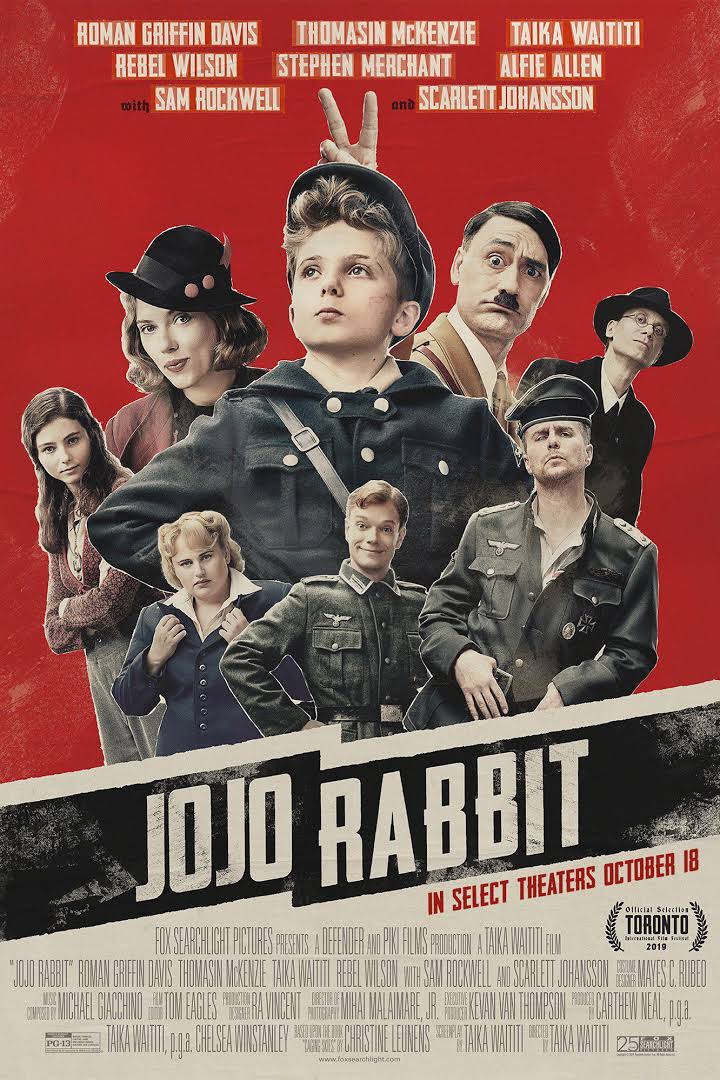
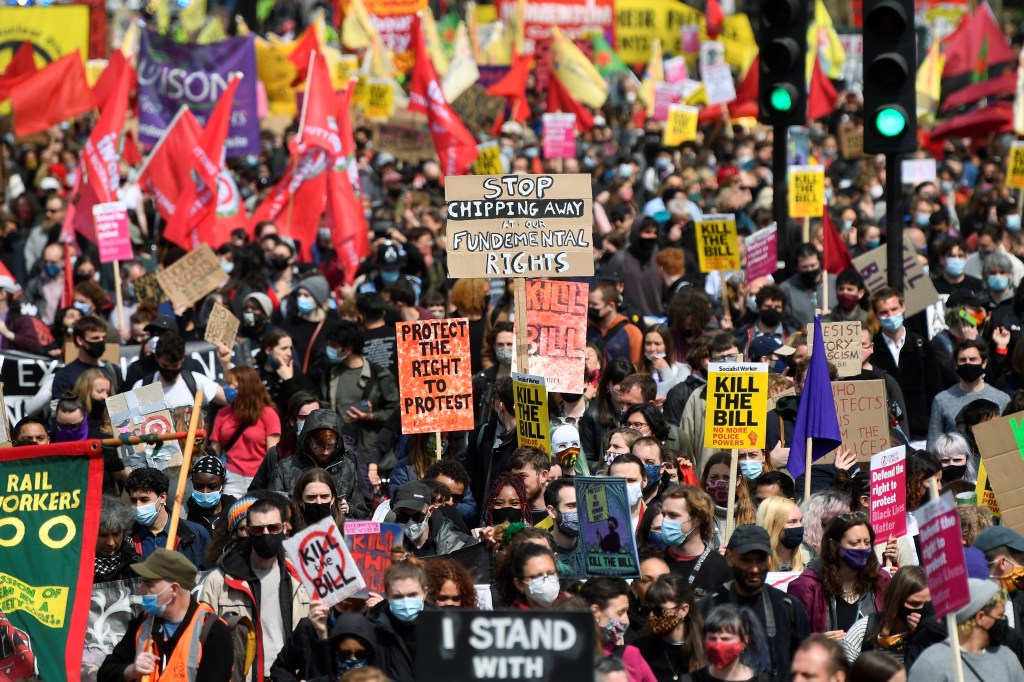
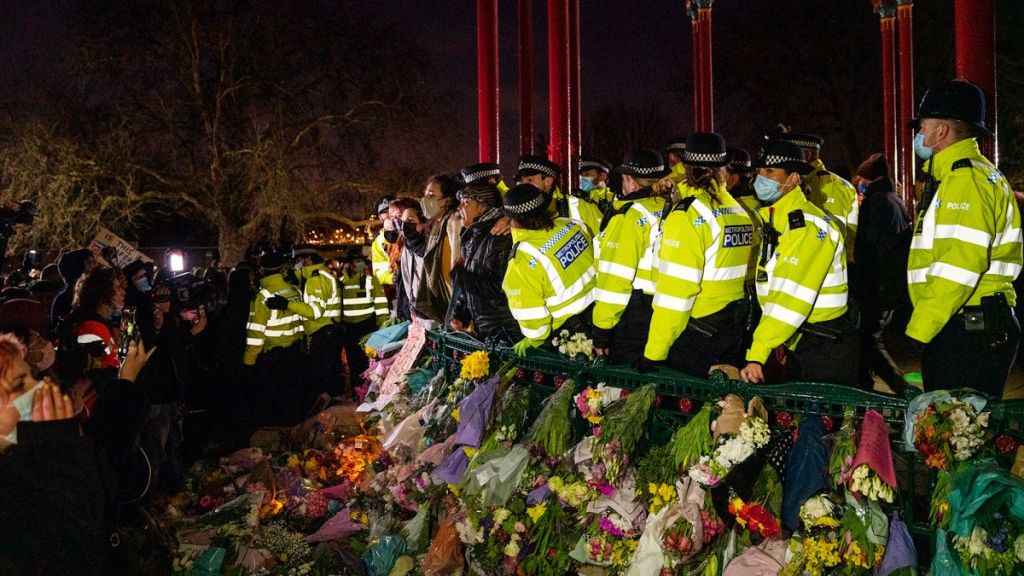
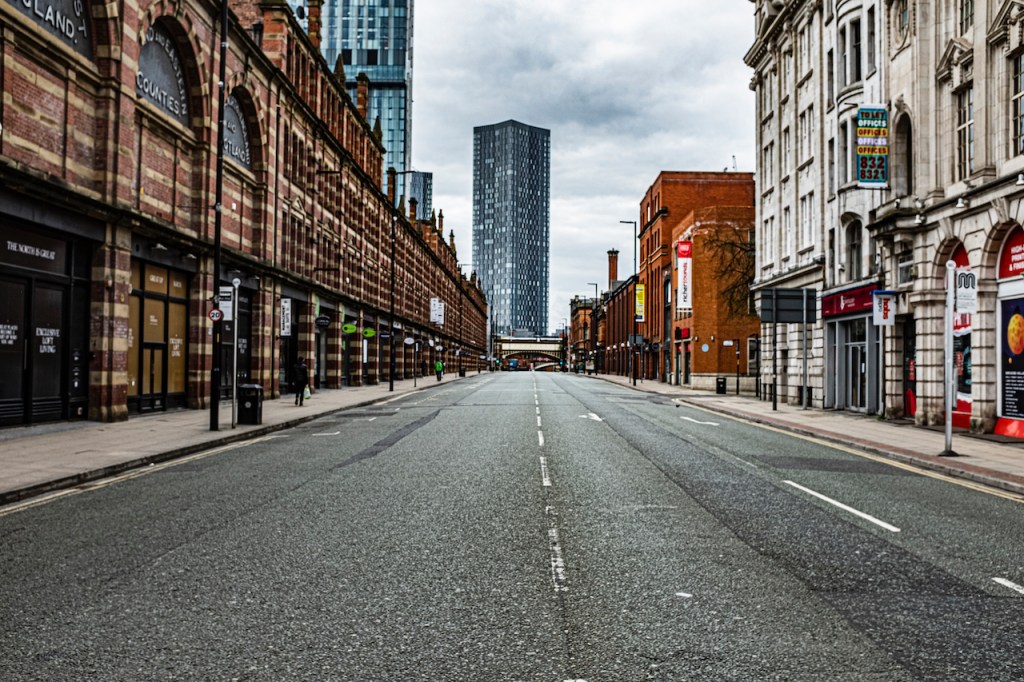
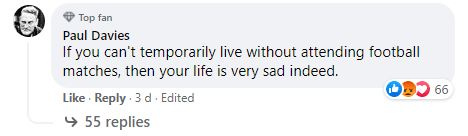
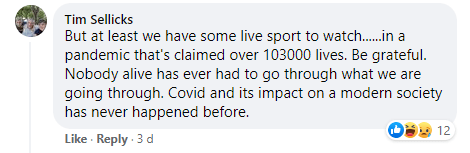

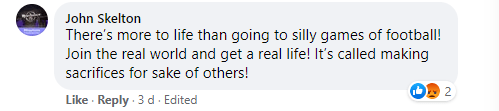

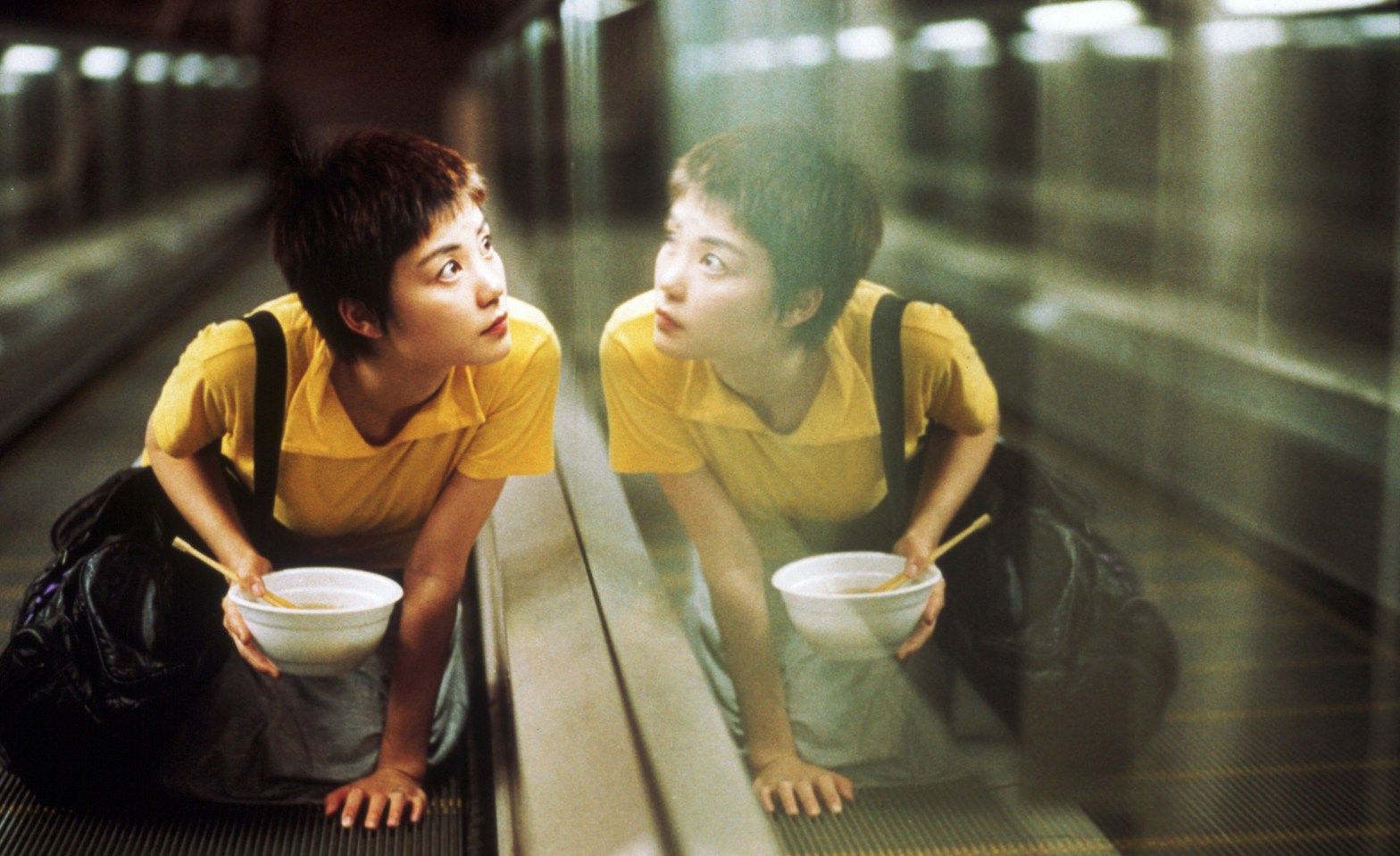
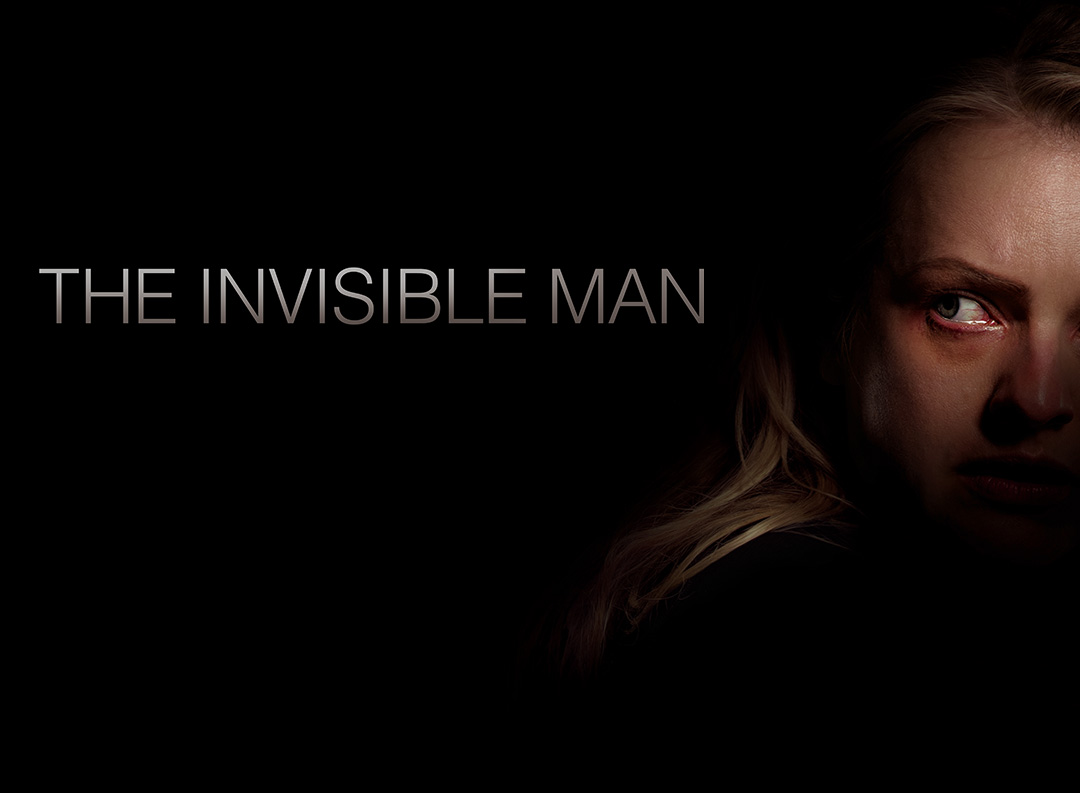
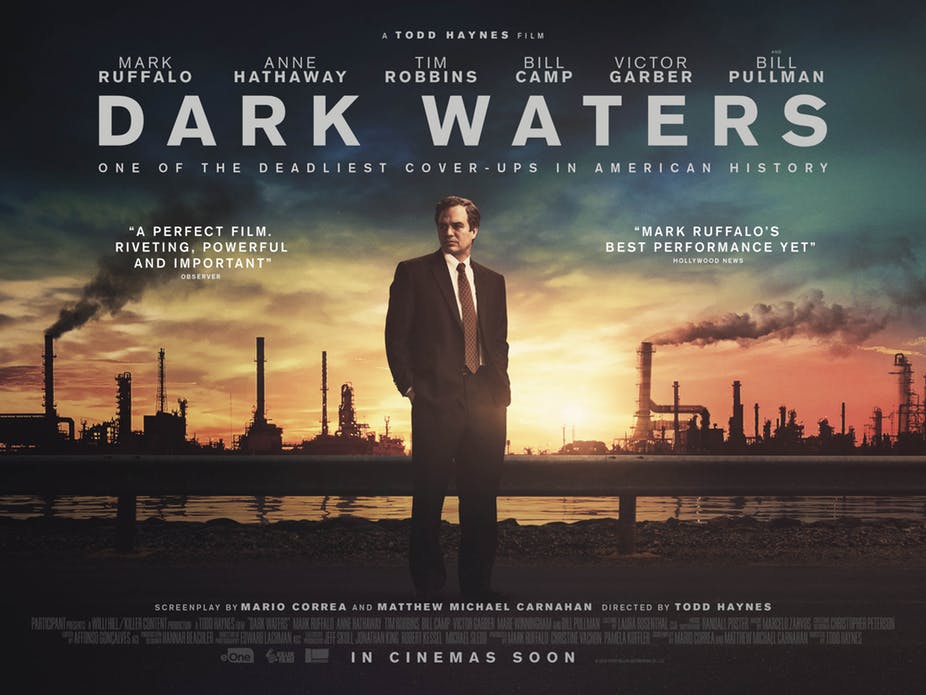
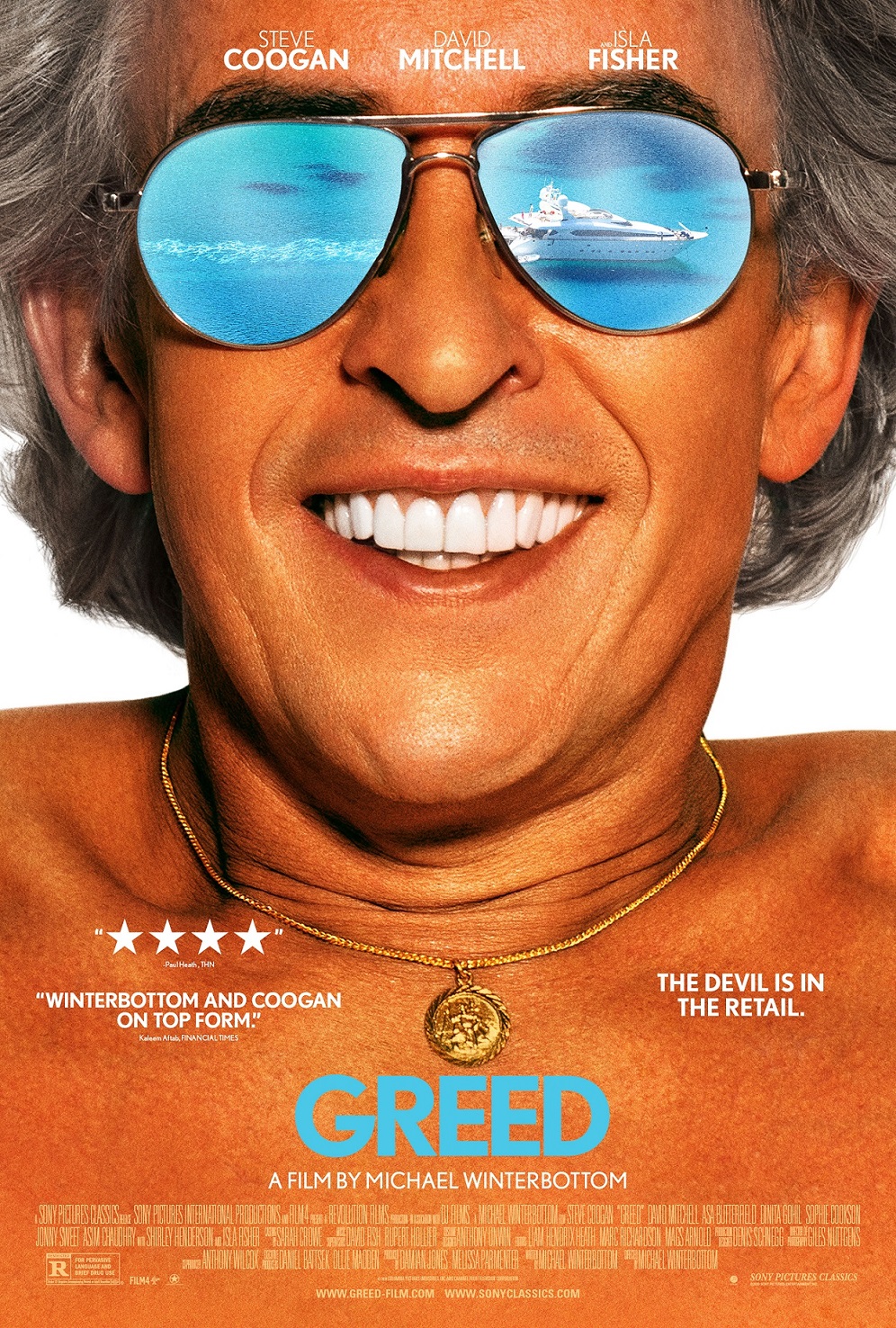
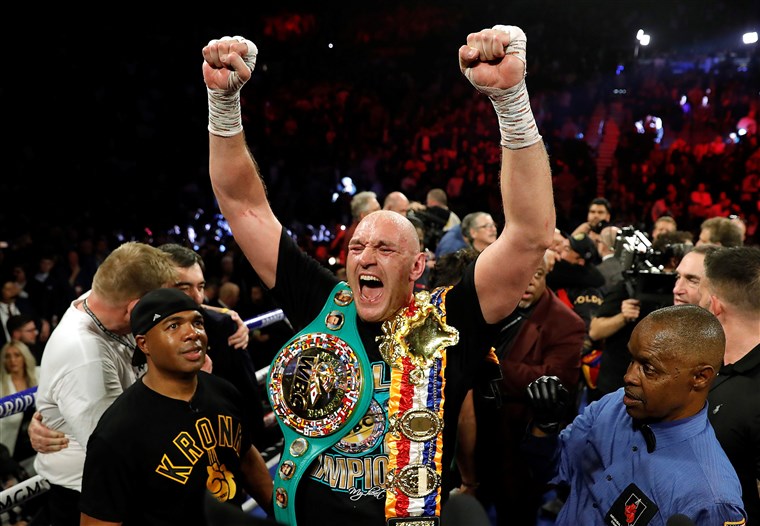
 Benson's Film Reviews